Data Broker Opt-Out Services Compared: Pricing and Removal

Data Broker Opt-Out Services Compared: Pricing and Removal

Quick Answer: Automated data broker opt-out services scan and submit removal requests to hundreds of people search sites. Incogni offers the lowest annual cost, DeleteMe adds human assistance, Optery provides free exposure scans, and Kanary targets both legal data brokers and people finder sites. No service removes every record permanently; results typically appear within one to three months. People search sites and data brokers collect your address, phone number, relatives, property records, and even past employers. They sell that data to marketers, insurers, and scammers. The Federal Trade Commission says consumers reported losing $10 billion to fraud in 2023, with impostor scams alone taking $2.7 billion. Removing your profile from data broker databases lowers the chance that a stranger finds your family ties or new address in seconds. Our data brokers complete guide explains how these companies build detailed profiles from public records, warranty cards, and online activity. ...

August 23, 2026 · 11 min · Jarrod Gravison
How to Respond to a Data Breach: Immediate Action Checklist

How to Respond to a Data Breach: Immediate Action Checklist

Quick Answer: Place a fraud alert or credit freeze with all three credit bureaus immediately. Reset passwords on the breached account and any account reusing that password. Turn on two-factor authentication. Review bank and credit card statements. Sign up for free credit monitoring if offered and check your credit reports weekly for new accounts. You got the notice. A company you use lost control of customer data. Your email address, password, phone number, or Social Security number may now be exposed. Scammers can use that data within hours. They test stolen passwords across banks, email, and shopping sites. They may open new accounts or file fake tax returns. It is a stressful moment. But you can reduce the damage with a clear checklist. Start by understanding what data was exposed and how data brokers collect and sell your information. ...

August 23, 2026 · 13 min · Jarrod Gravison
How to Protect Your Child's Personal Data From Birth to App

How to Protect Your Child's Personal Data From Birth to App

Quick Answer: Start early and share less. Use private birth announcements, create a separate email and identity for your child, restrict school app permissions, and opt your child out of data broker databases. These steps reduce the personal details that feed future data broker profiles and identity theft risk. A child’s data exposure starts surprisingly early. Birth announcements, baby registries, hospital photos, and social media posts all reveal a name, date of birth, city, and family members. Data brokers collect that public information and build profiles that can follow a child for years. The FTC warns that a child’s clean credit file is valuable to criminals. Fraudsters can open accounts, take out loans, or sell the data without detection for a decade or more. Parents often do not notice until the child applies for a student loan or first job. ...

August 23, 2026 · 14 min · Jarrod Gravison
How to Cut Robocalls and Spam Texts Right Now

How to Cut Robocalls and Spam Texts Right Now

Quick Answer: Cut robocalls and spam texts by registering at DoNotCall.gov, turning on your carrier's free spam filter, installing a reputable call blocking app, and reporting every unwanted message to 7726 and the FTC. Layered blocking cuts volume fast, but no single tool stops all scam traffic. Robocalls and spam texts are not just an annoyance. They are the front door for phishing, identity theft, and financial fraud. Scammers use auto dialers to blast thousands of numbers per minute. They spoof local area codes so you answer. One wrong tap on a text link can install malware or steal a password. Your phone number is now a target. The good news is that practical, current defenses work. You can reduce most unwanted calls and texts with the right tools and habits. ...

August 23, 2026 · 11 min · Jarrod Gravison
What Are Data Brokers and What Personal Data Do They Trade?

What Are Data Brokers and What Personal Data Do They Trade?

Quick Answer: Data brokers are companies that collect, buy, and sell personal information about you. They build profiles from public records, online activity, purchase history, and more. This data feeds marketing, background checks, insurance pricing, and people search sites. It matters because it can expose you to spam, scams, stalking, and identity theft. Removing yourself reduces that exposure. Most people never interact with a data broker directly. You do not sign up for their service. You do not visit their website. Yet they likely have a file on you. That file may include your full name, current and past addresses, phone numbers, birth date, relatives, and shopping habits. A data broker is any company that gathers information about you from many sources and sells it to other businesses. Think of it as a quiet data economy running behind your favorite apps and websites. This complete guide to data brokers explains the industry in depth. But first, you should know they are not illegal in most places. They just operate with very little direct oversight. ...

August 23, 2026 · 12 min · Jarrod Gravison
How to Freeze Your Credit at All Three Bureaus

How to Freeze Your Credit at All Three Bureaus

Quick Answer: Place a free security freeze online or by phone at Experian, Equifax, and TransUnion. You verify your identity, receive a PIN or account access, and block new creditors from seeing your report. Lifting is free and can be temporary. Store every PIN securely. Identity theft can open new credit cards, rent apartments, or file tax returns in your name. A security freeze is the single most powerful tool to stop this cold. It blocks new creditors from viewing your credit report. Most lenders will not approve a new account without that report. The FTC confirms that a freeze is free by law. This step works even if your personal data has already leaked through a data breach or a data broker site. ...

August 23, 2026 · 17 min · Jarrod Gravison
How to Remove Your Personal Info from Google Search Results

How to Remove Your Personal Info from Google Search Results

Quick Answer: You can request free removal of certain personal info from Google Search. Google will act on doxxing, explicit images, financial account numbers, confidential ID numbers, and images of minors. It will not remove public records, news articles, or basic directory listings. Use Google's Results about you tool or removal form. Then contact the source site and opt out of data brokers. Searching your own name can feel like finding your front door left open. People search sites, court portals, old forum posts, and even scam pages now expose home addresses, phone numbers, relatives, and financial clues. The Identity Theft Resource Center reported thousands of data compromises in a single year, and many people first learn about exposure through a simple Google lookup. Removing personal info from Google search results is one of the fastest ways to shrink your attack surface. It does not delete the source page, but it hides the result from the search engine most people use. Learn why it is worth removing yourself from the internet. ...

August 23, 2026 · 15 min · Jarrod Gravison
How to Find and Delete Dormant Online Accounts Safely

How to Find and Delete Dormant Online Accounts Safely

Quick Answer: Dormant online accounts quietly expose your name, email, purchase history, and sometimes payment details. Start with an email and password manager audit. Search your name and old usernames to find forgotten logins. Use official deletion pages, submit privacy requests for stubborn companies, and save confirmation emails. Then opt out of data brokers to remove residual profiles. Every abandoned login is a small unlocked window. When you stop using a social media profile or a shopping account, the company still stores your name, email, birth date, address, and sometimes payment details. You stop watching that account, but the data remains. Criminals know this. They target dormant accounts because no one notices unusual activity. The FTC warns that unused accounts raise your risk for identity theft and account takeovers. Shrinking your digital footprint starts with finding these forgotten profiles. ...

August 23, 2026 · 15 min · Jarrod Gravison
Why You Should Remove Yourself From the Internet Today

Why You Should Remove Yourself From the Internet Today

Quick Answer: Removing yourself from the internet means reducing the personal data that people search sites and data brokers expose. This lowers your risk of identity theft, scams, stalking, and spam. You can opt out manually for free or use a data removal service. Start by searching your name, then remove profiles from major brokers and repeat every few months. Most people do not realize how much of their personal life sits in public databases. Your home address, phone number, family names, court records, property value, and even your hobbies can be collected. This is not a hacker conspiracy. It is a legal industry built on selling your information. A data brokers complete guide explains how these profiles work and why they exist. The first step toward protection is understanding what is out there. ...

August 20, 2026 · 11 min · Jarrod Gravison
How to Opt Out of Data Brokers in 2026 and Stay Private

How to Opt Out of Data Brokers in 2026 and Stay Private

Quick Answer: Start by searching your name plus city on people-search sites. Then submit opt-out requests directly to each broker or use a reputable data removal service. Use a dedicated email, keep a tracking sheet, and check back every few months. Free manual opt-outs work, but services can save hours. Data brokers make money by collecting your phone number, home address, relatives, and shopping habits. They sell this material to marketers, employers, insurers, and sometimes fraudsters. Most people do not know how many profiles exist until they search their own name. That first search can feel overwhelming because dozens of sites may display your personal history. But you can reverse much of this exposure. Start with what data brokers actually collect so you understand the full picture before acting. ...

August 20, 2026 · 14 min · Jarrod Gravison
How to Stop Spam Emails in 2026 and Keep Your Inbox Clean

How to Stop Spam Emails in 2026 and Keep Your Inbox Clean

Quick Answer: Stopping spam email takes three layers: tighten your email filters, stop your address from being sold by data brokers, and never engage with spam messages. Start by unsubscribing from legitimate senders, blocking persistent spam domains, and removing your personal data from people search sites. Spam email in 2026 is not just annoying. It is the main doorway to phishing, identity theft, and financial fraud. Criminals use harvested email addresses to send billions of messages every day. The Federal Trade Commission tracks these scams and warns consumers to treat unsolicited email as a threat. If your inbox feels out of control, the problem often starts long before the message arrives. ...

August 20, 2026 · 14 min · Jarrod Gravison
What Are Data Brokers? Complete Guide (2026)

What Are Data Brokers? Complete Guide (2026)

Quick Answer: Data brokers are companies that gather, buy, and sell personal details about you. They build profiles using public records, shopping habits, social media, and online activity. They sell those profiles to marketers, insurers, employers, and sometimes scammers. You can limit exposure by opting out yourself or hiring a data removal service. Most people do not realize their personal information moves like currency. Every time you shop online, sign up for an app, or enter your address on a website, that detail can be captured. Data brokers are companies that quietly collect those details. They package them into profiles. Then they sell those profiles to other businesses. This happens behind the scenes. You rarely see it happen. But the effects show up in your inbox and even in your credit offers. These brokers work in the shadows of the digital economy. You are the product, but you never signed a clear contract. ...

August 20, 2026 · 11 min · Jarrod Gravison
Best VPN Services 2026: Privacy, Pricing, and Real Protection

Best VPN Services 2026: Privacy, Pricing, and Real Protection

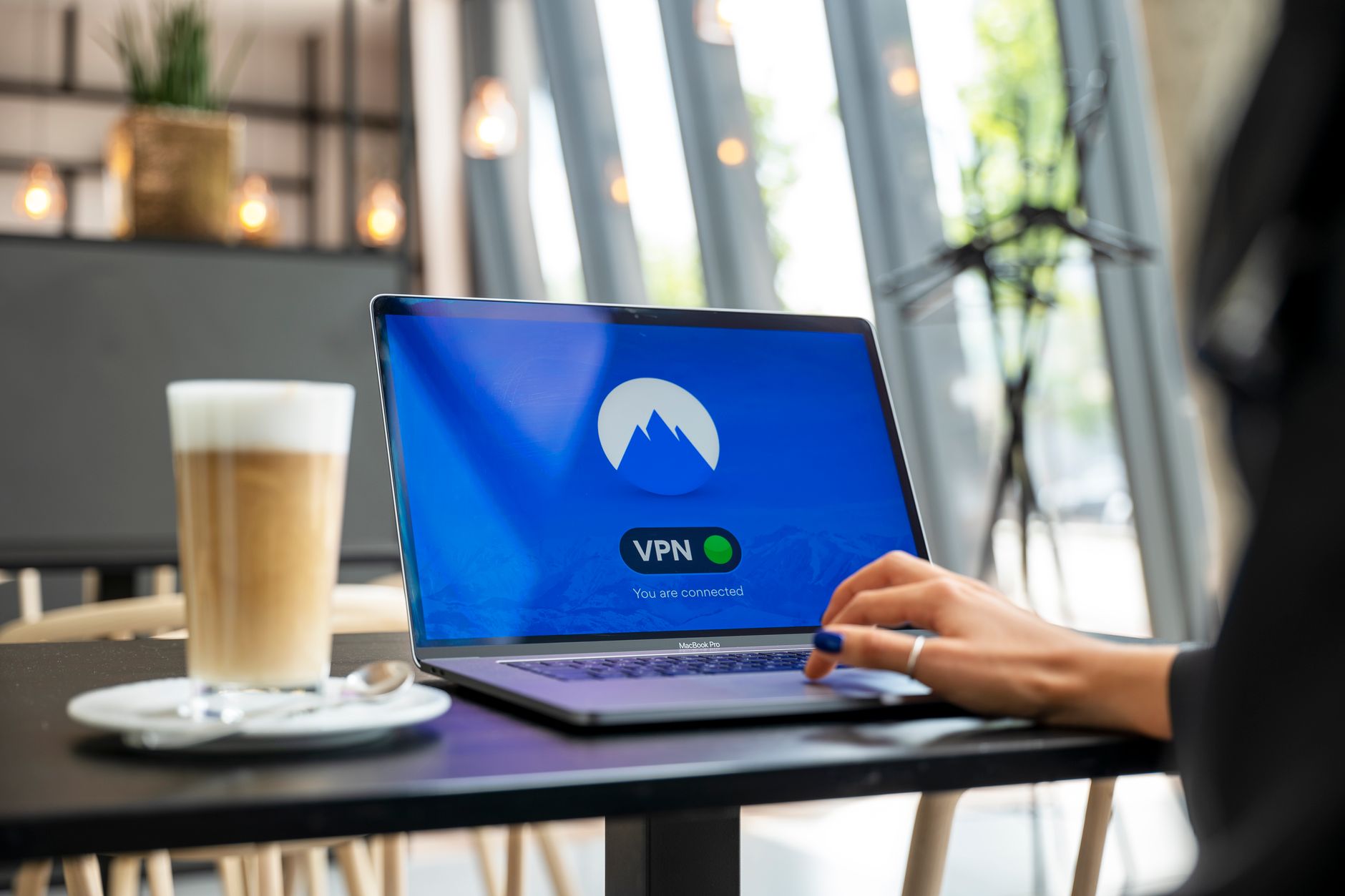
Quick Answer: A VPN encrypts your internet traffic and hides your IP address. It helps on public Wi-Fi and reduces what your internet provider can see. But it does not stop AI voice scams or remove your data from broker sites. For most people, Proton VPN or Mullvad offer the strongest privacy. ExpressVPN is easiest for streaming, while Surfshark is best for unlimited devices. Most people connect to public Wi-Fi without a second thought. You check your bank balance at a coffee shop, type a password at an airport lounge, or buy something from a hotel network. Each of those moments is a chance for someone else on the same network to intercept what you send. The FTC reported that consumers lost $10 billion to fraud in 2023, a record sum that includes schemes built on stolen personal data. A virtual private network, or VPN, encrypts your connection and hides your IP address. It will not stop every scam, but it closes one common door. For ordinary people who want fewer strangers touching their traffic, a VPN is a sensible first layer. ...

August 20, 2026 · 12 min · Jarrod Gravison
Best Password Managers 2026: Protect Your Accounts and Identity

Best Password Managers 2026: Protect Your Accounts and Identity

Quick Answer: A password manager stores unique, strong passwords and fills them only on real sites. Our top pick for most people is 1Password because it balances ease of use, breach alerts, and travel protections. Bitwarden is the best free option. Dashlane has strong dark web monitoring. NordPass and Keeper are also solid choices. Most people reuse passwords. A thief takes that one password from a small breach and tries it on your email, bank, and tax accounts. That is credential stuffing. In 2024, the FTC received 2.6 million fraud reports and logged $12.5 billion in reported losses. Many of those losses started with a stolen or guessed password. You can stop that chain before it starts. Use a different password for every site. Let a password manager remember them for you. If a company leaks your email and password, you change one password, not fifty. If your personal data is already floating around data broker sites, start with our guide to opting out of data brokers. ...

August 20, 2026 · 10 min · Jarrod Gravison
Best Identity Theft Protection Services 2026: Top Picks

Best Identity Theft Protection Services 2026: Top Picks

Quick Answer: Aura and LifeLock lead for 2026, but the right service depends on credit monitoring, recovery support, and privacy tools. Aura offers strong family controls, LifeLock has high insurance limits, IDShield pairs you with a licensed investigator, and Experian IdentityWorks is best for locking credit. Compare cost, alerts, and recovery help before you commit. Fraud reports have reached a level that should make you pause. In 2024, consumers told the FTC they lost $12.5 billion to fraud. More than 1 million of those reports were identity theft cases, where someone used another person’s personal information to open accounts, file taxes, or steal benefits. These are not just statistics. Each report can mean weeks of phone calls, frozen accounts, and a credit score that drops because of someone else’s choices. Before you choose a service, understand how your data got exposed. Our guide to why you should remove yourself from the internet explains the paths thieves use. ...

August 20, 2026 · 10 min · Jarrod Gravison
Best Data Removal Services 2026: Compared and Rated

Best Data Removal Services 2026: Compared and Rated

Quick Answer: The best data removal service depends on your budget and privacy needs. DeleteMe remains the most hands-off option with strong reporting. Incogni offers the best value for automated opt-outs. Optery provides the deepest free scan. Kanary and OneRep are solid for targeted removals. Start with a free scan, then compare coverage. Your name, home address, phone number, and even relatives’ names sit in databases owned by companies called data brokers. These companies collect, package, and sell your personal details to anyone with a credit card. Scammers use that information to target you with phishing texts, fake debt calls, and identity theft. This is not a small problem. The Federal Trade Commission reports that consumers lost more than $12.5 billion to fraud in 2024. Identity theft accounted for over 1 million of those reports. Removing your information from broker sites reduces your exposure, but it is not a magic shield. Start by understanding how brokers work in our data brokers complete guide. ...

August 20, 2026 · 11 min · Jarrod Gravison